2025

TIE T PLUS – Committee


Chair:

Constantin POPESCU, Continental Autonomous Mobility

Co-Chair:

Philip COANDĂ, Continental Automotive Romania, Timișoara


Technical Committee – Academic Trainers

Chair:

Cristian FĂRCAŞ, Technical University of Cluj Napoca


Members:

Ciprian IONESCU, Politehnica Bucharest, Romania

Cristian FĂRCAŞ, Technical University of Cluj Napoca


Industrial Committee

Chair:

Lucian BODIN, Continental Autonomous Mobility Timișoara

Members:

Cristina Mihaela DRĂGAN, Continental Automotive Romania, Timișoara

Aurelian BOTĂU, Continental Automotive Romania

Eugen DINCĂ, Continental Automotive Romania

Lucian BODIN, Continental Autonomous Mobility Timișoara

Răzvan STANCA, INAS SA Craiova


TIE E Plus Committee

Chair:

Marcel MANOFU, Continental Automotive, Timişoara, Romania

Co-Chair:

Mihai DĂRĂBAN, Technical University of Cluj-Napoca

Technical Committee – Academic Trainers

Chair:

Mihai DĂRĂBAN, Technical University of Cluj-Napoca

Members:

Mădălin MOISE, POLITEHNICA of Bucharest

Daniela IONESCU, Gh. Asachi Technical University of Iaşi

Gheorghe PANĂ, Transilvania University of Braşov

Industrial Committee

Chair:

Marcel MANOFU, Continental Automotive, Timişoara, Romania

Co-Chair:

Radu VOINA, KEYTEK Innovation, Alba Iulia

Members:

Cosmin MOISĂ, Continental Automotive, Timişoara

Cătălin NEGREA, Darknote Engineering

Mihai RUS, Continental Engineering Services

Roxana VLĂDUȚĂ, Marvell Technology

TIE M Committees


Chair:

Daniel COMEAGĂ, Politehnica Bucharest

Co-Chair:

Alexandru FALK, Continental Automotive Romania, Timișoara


Technical Committee – Academic Trainers

Chair:

Alina SPÂNU, Politehnica Bucharest


Members:

Marius Cătălin CARP, Universitatea Transilvania din Braşov

Cristian MOLDOVAN, University Politehnica of Timişoara

Emil NIȚĂ, National University of Science and Technology Politehnica of Bucharest

Radu PETRUȘE, Lucian Blaga University of Sibiu

Carmen STICLARU, University Politehnica of Timişoara


Industrial Committee

Chair:

Marius-Florin DEMIAN, Continental Automotive Romania, Timișoara

Academic Co-Chair:

Alina SPÂNU, National University of Science and Technology Politehnica of Bucharest

Industrial Members:

Philip COANDĂ, Continental Automotive Romania

Marius-Florin DEMIAN, Continental Automotive Romania, Timișoara

Ion DOGARIU, Continental Engineering Services, Romania

David DRĂGAN, Continental Automotive Systems, Sibiu

Alexandru NISTOR, Continental Automotive Systems, Sibiu


This year’s edition of the TIEμ– Advanced Packaging Challenge will take place between April 2-5 in Brasov: https://tie.ro/

Students who wish to participate in the competition are invited to register by 12.03.2025 by filling out the form available here: https://forms.office.com/e/tPBrG2WRx1

The period for solving the topic will be between March 17 and 28 (March 28 being the last day for uploading reports), with the finalists who will present in front of the committee on April 3 in Brașov, will be announced by March 30.


2025 TIEμ SUBJECT


Registration


More information about TIE-μ (view PDF)

For sponsoring the event and obtain valuable networking experience, please visit TIE 2025 Partners and Sponsors.

Event Committees 2025


Steering Committee

General Chairs:

Paul SVASTA, POLITEHNICA of Bucharest; Association for Promoting Electronics Technology

Ovidiu POP, Technical University of Cluj-Napoca

General Academic Co-Chairs:

Dan PITICĂ, Technical University of Cluj-Napoca

Norocel CODREANU, POLITEHNICA of Bucharest

General Industrial Co-Chair:

Cosmin MOISĂ, Continental Automotive, Timişoara

Financial Chair:

Alexandru VASILE, POLITEHNICA of Bucharest

TIE 2025 Chair:

Titus BĂLAN, Transilvania University of Brașov

TIE 2025 Co-Chair:

Cătălin CIOBANU, Transilvania University of Brașov

Steering Committee Members:

Dorel AIORDĂCHIOAIE, Dunărea de Jos University of Galaţi

Alexandru BORCEA, Romanian Association for Electronic and Software Industry

Radu BOZOMITU, Gh. Asachi Technical University of Iaşi

Vlad CEHAN, Gh. Asachi Technical University of Iaşi

Gabriel CHINDRIŞ, Technical University of Cluj-Napoca

Cătălin CIOBANU, Universitatea Transilvania din Brasov

Philip COANDA, Continental Automotive, Timişoara

Eugen COCA, Ştefan cel Mare University of Suceava

Daniel COMEAGA, POLITEHNICA of Bucharest

Mircea-Cătălin CONSTANTINESCU, University of Craiova

Aurelia FLOREA, Human Resources Manager, Miele Brașov

Aurel GONTEAN, Politehnica University of Timişoara

Tecla GORAŞ, Gh. Asachi Technical University of Iaşi

Georgiana GOTIA, Continental Automotive Systems, Sibiu

Ciprian IONESCU, POLITEHNICA of Bucharest

Ioan LIŢĂ, POLITEHNICA of Bucharest, University Center of Piteşti

Dan LASCU, Politehnica University of Timişoara

Marcel MANOFU, Continental Automotive, Timişoara

Dan MANOLESCU, Association for Promoting Electronics Technology

Bogdan MIHĂILESCU, POLITEHNICA of Bucharest; APTE

Cătălin NEGREA, Darknote Engineering

Viorel NICOLAU, Dunărea de Jos University of Galaţi

Cristina OPREA, Tensor srl

Gheorghe PANĂ, Transilvania University of Braşov

Mihaela PANTAZICĂ, POLITEHNICA of Bucharest

Daniela TĂRNICERIU, Gh. Asachi Technical University of Iaşi

Adrian TULBURE, 1 Decembrie 1918 University of Alba Iulia

Liviu VIMAN, Technical University of Cluj-Napoca

Gabriel VLĂDUŢ, Romanian Association for Technological Transfer and Innovation

Maria VINTAN, Lucian Blaga University of Sibiu

International Advisory Body:

Karlheinz BOCK, TU Dresden, Electronics Packaging Lab IAVT, Dresden, Germany

Detlef BONFERT, Fraunhofer EMFT, Munich Germany

Joseph FJELSTAD, CEO of Verdant Electronics, USA

Zsolt ILLYEFALVI-VITEZ, University of Technology and Economics, Budapest, Hungary

Pavel MACH, Czech Technical University in Prague, Czech Republic

Alain MICHEL, ANSYS France

Jim MORRIS, Portland State University, Oregon USA

Andy SHAUGHNESSY, The PCB Design Magazine and PCBDesign007, USA

Nihal SINNADURAI, IMAPS ELC Past President, U.K.

Heinz WOHLRABE, TU Dresden, Germany

Klaus-Jürgen WOLTER, TU Dresden, Germany

Media Publisher Committee

Chair:
Cătălina NEGHINĂ, Lucian Blaga University of Sibiu, Romania

Members:
Cristina Mihaela LEPĂDATU, Association for Promoting Electronics Technology, Romania
Bogdan MIHĂILESCU, POLITEHNICA Bucharest, Romania
Tamara SAUCIUC, POLITEHNICA Bucharest, Romania
Elena Mirela STETCO, Technical University of Cluj- Napoca, Romania

Exposition Committee

Chair:
Rajmond JÁNÓ, Technical University of Cluj Napoca, Romania

Co-Chairs:
Adelina-Ioana ILIEȘ, Technical University of Cluj Napoca, Romania

Members:
Cristina Mihaela LEPĂDATU, Association for Promoting Electronics Technology, Romania
 

IEEE EPS Student Chapters Support Committee

Chair:

Mădălin MOISE, IEEE-EPS, POLITEHNICA of Bucharest

Co-Chair:

Alexandra FODOR, IEEE-EPS, Technical University of Cluj-Napoca, SBC Chair

Members:

Mădălina-Irina BURCEA, IEEE-NTC, POLITEHNICA of Bucharest

Elisei ILIEȘ, Politehnica University of Timişoara

Mihai NEGHINĂ, Lucian Blaga University of Sibiu

Rodica NEGROIU, IEEE-NTC, POLITEHNICA of Bucharest

Cosmin ONCIOIU, POLITEHNICA of Bucharest

Corina SĂNDULESCU, POLITEHNICA of Bucharest

Elena STETCO, Technical University of Cluj-Napoca


Local Committee

Chair:

Cătălin CIOBANU, Transilvania University of Brașov

Co-Chair:

Titus BĂLAN, Transilvania University of Brașov

Vlad POPESCU, Transilvania University of Brașov

Members:

Corina Ioana BOGDAN, Transilvania University of Brașov

Marius CARP, Transilvania University of Brașov

Csaba KERTESZ, Transilvania University of Brașov

Traian TULBURE, Transilvania University of Brașov

Technical secretariat

Chair:

Delia LEPĂDATU, POLITEHNICA of Bucharest, Association for Promoting Electronics Technology Bucharest

Members:

Cristina LEPĂDATU, POLITEHNICA of Bucharest, Association for Promoting Electronics Technology Bucharest

Bogdan MIHĂILESCU, POLITEHNICA of Bucharest, Association for Promoting Electronics Technology Bucharest

Maria PĂTULEANU, POLITEHNICA of Bucharest, Association for Promoting Electronics Technology Bucharest

Florentina STĂLINESCU, POLITEHNICA of Bucharest, Association for Promoting Electronics Technology Bucharest



Venue for TIE 2025 & Microelectronics Day


Dear TIE participants,

Please take into consideration the following information about the TIE 2025 location and venue:

CITY: Brașov, Romania

Events Location:

Transilvania University of Brașov Library, Street Iuliu Maniu 41A, Brașov 500091


Google maps link with the location of  TIE 2025:


We are looking forward in meeting you in Brașov at TIE 2025!

Be a SPONSOR!  Contact us here!

Sponsorship packages TIE 2025 (all events)


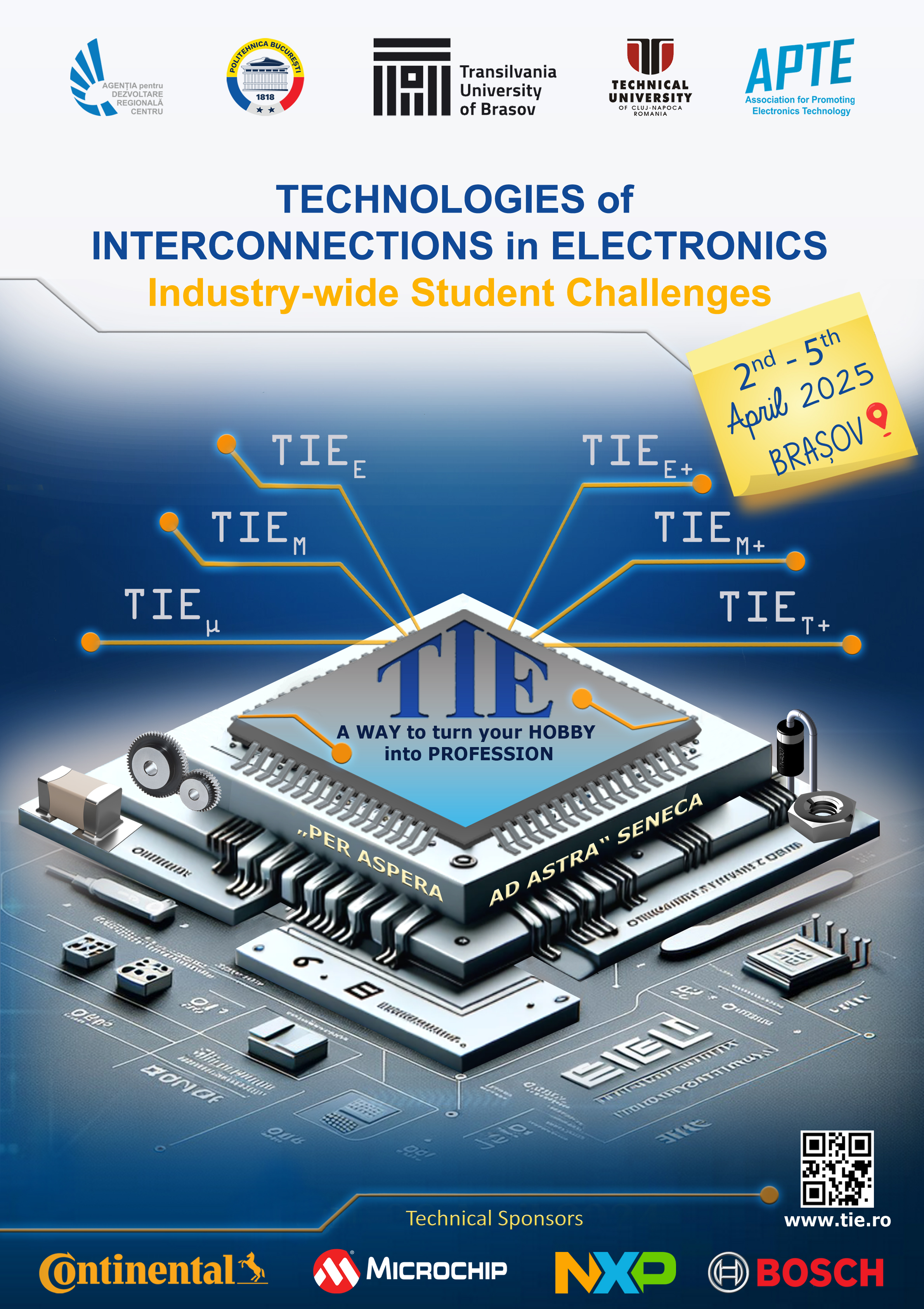
TIE 2025 Edition Promotional Poster


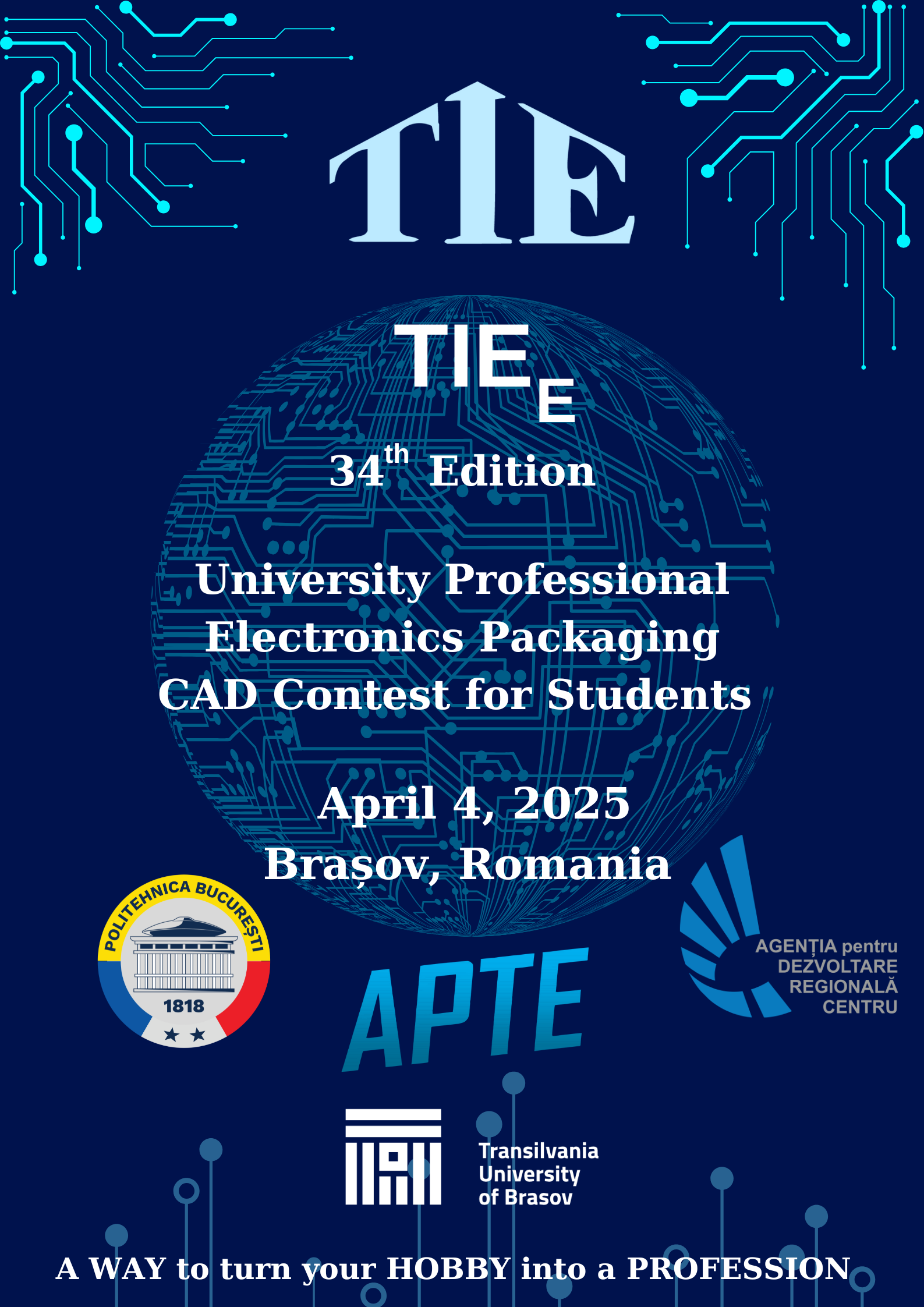
TIE E 2025 Edition Promotional Poster

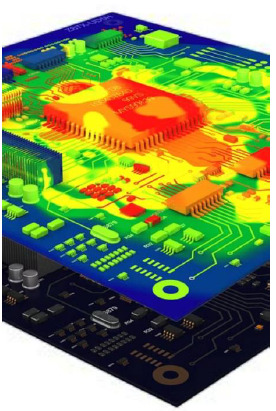
TIE-T Plus -Thermal


Thermal management optimization is an iterative process that requires multiple rounds of simulation, testing, and refinement. As new components or cooling technologies are introduced, the thermal management system must be continuously evaluated and optimized to ensure it can handle the evolving heat loads and maintain the desired performance and efficiency targets.

Choosing the most appropriate cooling method, such as active or passive cooling, is key to optimizing thermal performance. Simulation and modeling can help engineers evaluate the effectiveness of different cooling solutions and select the most suitable approach for their specific application.

Simulation and modeling can help evaluate and refine initial thermal management concepts. By virtually testing different design ideas, engineers can identify the most promising approaches and make informed decisions before investing in physical prototypes, leading to a more efficient and cost-effective design process. As computational power and algorithm sophistication improve, engineers will have access to more advanced tools to tackle increasingly complex thermal management challenges.

The Role of Simulation and Modeling

Predictive Capabilities

Simulation and modeling allow engineers to predict thermal behavior and identify potential hot spots before physical prototyping. By virtually testing various design scenarios, engineers can gain valuable insights into the thermal performance of their systems, enabling them to make informed decisions and optimize the design before investing in physical hardware.Optimization Opportunities

These simulation and modeling tools enable designers to explore a wide range of design options and find the most optimal thermal management solutions. By comparing the thermal performance of different cooling techniques, component placements, and airflow patterns, engineers can identify the most efficient and cost-effective approach to maintain the desired operating temperatures within their electronic devices.

Reduced Costs

Simulation and modeling can significantly reduce the need for costly physical testing and iterations. By identifying and resolving potential thermal issues early in the design process, engineers can minimize the number of physical prototypes required, saving time and resources. This approach allows for a more streamlined and efficient product development cycle, ultimately leading to faster time-to-market and reduced overall costs.

Integrated Multiphysics

The integration of thermal management with other physical domains, such as electromagnetics and structural mechanics, will become increasingly important. By considering the interactions between these different phenomena, engineers can develop a more comprehensive understanding of the system’s behavior and optimize its performance more effectively.


Cristina Mihaela Dragan, Continental Automotive Romania

Ciprian Ionescu, POLITEHNICA Bucharest, Romania